You just had a laser treatment. Your skin is a little red, a little sensitive, and now you are wondering whether you are doing the right things, or the wrong ones, in these first critical days.
First: the aftercare is simpler than most people fear. You do not need ten new products. You do not need to stay home for a week. But there are specific things that genuinely matter, and some of them are less obvious than you might expect.
This guide covers exactly what to avoid after laser treatment on your face, why each restriction exists, and for how long it applies, so you can stop guessing and start healing confidently. At Glow Med Clinic in Aurora, Ontario, we give every client a personalised aftercare plan following their treatment. This post reflects the principles behind that guidance.
Why Post-Laser Skin Is Different
Understanding why your skin behaves differently after laser treatment makes the restrictions easier to follow, because they stop feeling like arbitrary rules and start making clinical sense.
Laser energy, whether from laser hair removal in Aurora using our DiolazeXL system, a Lumecca IPL photofacial in Aurora or any other laser procedure, creates controlled thermal energy in the targeted skin tissue. This is precisely what makes it effective. But it also does two specific things to the skin that affect how you need to care for it afterward.
First, it temporarily disrupts the stratum corneum, the outermost layer of your skin that acts as a physical barrier between your body and the outside world. When this barrier is compromised, your skin loses moisture faster than normal and becomes more permeable, meaning both beneficial ingredients and irritating ones can penetrate more deeply than they normally would.
Second, it creates a localised inflammatory response in the treated tissue. This is not a problem. This is actually the mechanism driving your results, collagen stimulation, pigment breakdown, follicle disruption. But it does mean that anything adding to that inflammation, heat, UV, active skincare, sweat, is compounding an inflammatory state that is already active.
Both of these changes are temporary. Your skin barrier rebuilds within days to a week depending on treatment intensity. The inflammatory response settles within 24 to 72 hours for most laser treatments. But during that window, your choices matter.
The Day-by-Day Timeline: What to Avoid and When
Not everything needs to be avoided for the same length of time. Here is a clear, specific timeline rather than the vague “avoid for several days” guidance that most posts offer.
First 24 hours. The most restrictive window. Avoid sun exposure, heat of any kind, makeup, active skincare ingredients, exercise, touching the face, and any fragrance-containing products. Use only: gentle fragrance-free cleanser, plain ceramide moisturiser, cool compress if needed, and mineral SPF 50 if you need to go outside.
24 to 48 hours. You can introduce hydrating ingredients that actively support healing: hyaluronic acid serum, aloe vera gel, centella asiatica products. Continue avoiding everything in the first 24-hour list except that gentle exercise without heavy sweating is now generally acceptable.
48 to 72 hours. For most standard treatments such as laser hair removal and IPL, you can return to light exercise at this point. Niacinamide is generally tolerated by this stage. Continue avoiding sun, active ingredients, and makeup if possible.
Days 5 to 7. Gentle mineral makeup can be reintroduced. Vitamin C in non-ascorbic forms can be reintroduced. Normal cleansers that are still fragrance-free are fine. Continue SPF as a daily non-negotiable.
Days 7 to 10. For most standard treatments, retinol, AHAs and BHAs can be gradually reintroduced. Start slowly, every third night for retinol rather than nightly, and assess your skin’s response.
Two weeks. Safe to resume waxing, threading and other facial treatments. Safe to have another laser session if your treatment plan involves multiple sessions.
Note: for more intensive fractional or ablative laser treatments, these timelines extend significantly. Your provider will give you specific guidance based on the procedure performed.
Sun Exposure: The Most Important Restriction
Sun avoidance is not just the most mentioned post-laser restriction. It is the most clinically consequential one, and the reason goes deeper than “your skin is sensitive.”
Laser treatment, particularly IPL and pigmentation-targeting treatments, disrupts the melanocytes in the treated skin. Melanocytes are the cells responsible for producing melanin, the pigment that gives skin its colour. When these cells are in a disrupted, inflammatory state and are then exposed to UV radiation, they can produce melanin in an uncontrolled, patchy way. The result is post-inflammatory hyperpigmentation, new dark spots or uneven pigmentation in the treated area.
This risk is particularly significant for clients with Fitzpatrick III to VI skin types, which includes many South Asian, Middle Eastern, East Asian, African and Caribbean clients in the York Region area. If your skin tone is deeper, sun protection after laser is not just important. It is essential for protecting the very result you came in for.
What to do instead. Stay indoors as much as possible in the first 24 to 48 hours. When you do go outside, apply a mineral sunscreen with SPF 50 containing zinc oxide or titanium dioxide. Chemical sunscreens can cause stinging on sensitised post-laser skin so mineral is preferred in the first week. Wear a hat with a brim if spending any meaningful time outdoors. Avoid tanning beds entirely for a minimum of four weeks post-treatment.
Heat: Why It Matters More Than Most Clients Expect
Heat amplifies the inflammatory response that is already active in your post-laser skin. This is the reason behind restrictions that seem surprising to some clients, like avoiding a hot shower or skipping the gym.
Your skin after laser treatment is in a state of active, controlled inflammation. Blood vessels in the treated area are dilated. The tissue is working to heal and remodel. Adding external heat sources, whether from a hot shower, steam room, sauna, hot yoga class or intense cardiovascular exercise, dilates the blood vessels further and amplifies the inflammation rather than allowing it to resolve.
Practically, this means prolonged redness, extended recovery time and in some cases increased risk of side effects. It does not mean one warm shower will ruin your results. It means consistently adding heat to an area that is trying to calm down will slow that process.
What to do instead. Cool or lukewarm water when washing your face. Avoid saunas, steam rooms and hot tubs for the first 48 to 72 hours. Skip intense gym sessions for 48 hours and return to light activity only. Your skin will recover faster when it is not competing against ongoing thermal input.
Active Skincare Ingredients to Avoid and Why Each One
This is the section where the why matters most, because understanding the reason behind each restriction helps you make good judgment calls when your skincare routine has ingredients not listed here.
Retinol and retinoids. Retinoids work by accelerating cell turnover and stimulating collagen. Post-laser, your skin is already in an accelerated healing and renewal state. Adding retinol on top creates excessive exfoliation of skin that needs to heal in a controlled way. It also significantly increases sensitivity to UV, which is already a concern post-laser. Avoid for a minimum of seven to ten days after standard treatments.
AHA exfoliants: glycolic acid, lactic acid, mandelic acid. These work by breaking down the intercellular bonds that hold skin cells together, chemically exfoliating the surface layer. Post-laser, the skin cells are naturally loosening as part of the healing process. Chemical exfoliation on top disrupts this natural healing sequence and can cause irritation that extends well beyond what you would experience on intact skin. Avoid for seven days minimum.
BHA exfoliants: salicylic acid. Similar principle to AHAs but salicylic acid is oil-soluble and penetrates into the pore lining. On compromised post-laser skin where barrier function is reduced, this penetration goes deeper than intended. Avoid for seven days minimum.
Vitamin C in ascorbic acid form. Pure ascorbic acid, the most common form of vitamin C in serums, has a pH of around 2.5 to 3.5. On healthy intact skin this acidity is well-tolerated and actively beneficial. On compromised post-laser skin, it can cause significant stinging, inflammation and can penetrate more deeply than intended due to the disrupted barrier. Avoid for five to seven days. Gentler vitamin C derivatives such as ascorbyl glucoside are better tolerated and can usually be reintroduced around day five.
Benzoyl peroxide. A strong antibacterial and drying agent used for acne. On post-laser skin it causes significant irritation, dryness and potential barrier disruption. Avoid for seven to ten days.
Niacinamide. Gentler than the above. Most clients tolerate it from 48 hours post-treatment. However, if you notice any stinging or increased redness on application, wait until day five before reintroducing.
If you are unsure whether a specific ingredient in your existing routine is safe, the simplest rule is: if it does anything to the skin beyond hydrating it, wait seven days. If it purely hydrates, it is probably fine from 24 to 48 hours.
For detailed guidance on what you CAN use post-laser, our post on can you use hyaluronic acid after laser treatment covers the recommended ingredients in detail.
Makeup After Laser Treatment: When and What
Standard makeup, including most foundations, concealers and face powders, contains a range of ingredients that are not appropriate for post-laser skin. Preservatives, fragrance, comedogenic oils and pigments all carry a heightened risk of irritation on skin with a temporarily compromised barrier.
More practically, the pores are temporarily enlarged post-laser and more permeably open than normal. Products that sit on the surface in everyday use can penetrate more deeply in this state.
When to reintroduce. Most clients can return to gentle mineral makeup between 48 and 72 hours for standard treatments like laser hair removal and IPL. For more intensive treatments, waiting five to seven days is more appropriate. If you can avoid makeup entirely for the first 48 hours, your skin will recover faster.
What to use when you do reintroduce. Mineral-based, fragrance-free, non-comedogenic formulas. Pressed mineral powder foundations are generally the safest option in the first week back. Avoid liquid foundations containing alcohol, fragrance, or long-wearing film-forming agents for the first week.
Exercise and Sweating After Laser Treatment
Sweat is not simply water. It contains lactic acid, sodium, ammonia, urea and bacteria. On intact skin, sweat causes no issue because the barrier function keeps these constituents at the surface. On post-laser skin with a temporarily compromised barrier, sweat can penetrate more deeply and cause irritation, inflammation and introduce bacteria into the skin.
Beyond sweat composition, intense exercise increases core body temperature and causes flushing, which amplifies the heat-based inflammation discussed above.
What is acceptable. Light walking is fine from day one. Light stretching and gentle exercise without significant sweating from 24 to 48 hours. Full cardiovascular exercise, weight training and anything that produces significant sweating should wait 48 to 72 hours.
Practical tip. If you do exercise and sweat in the treatment area during the first 72 hours, cleanse the area with your gentle post-laser cleanser as soon as possible rather than leaving sweat sitting on the skin.
Touching, Picking and Scratching
Post-laser skin will feel different to normal. It may feel tight, dry, mildly rough or slightly sensitive. As it heals, particularly with more intensive treatments, some clients experience mild flaking or peeling as the outer layer of treated skin sheds naturally.
The urge to pick, scratch or peel this flaking skin is understandable. But it is one of the most damaging things you can do in the post-laser window.
Peeling post-laser skin before it is ready to shed creates a wound. It removes the protective layer that is covering healing tissue beneath. This creates an infection risk, can lead to hyperpigmentation as the exposed healing skin responds to air and light, and can cause scarring in cases where the skin is peeled aggressively enough.
What to do instead. A gentle, fragrance-free moisturiser applied consistently keeps the healing skin supple and reduces the tightness that triggers the urge to pick. Allow the skin to shed at its own pace. If the flaking is very pronounced, a cool damp cloth pressed gently against the skin can help without the friction of rubbing.
Hair Removal and Other Facial Treatments
Laser treatment requires skin to be intact and calm before any other procedure can be performed on the same area. Combining treatments too soon increases the risk of irritation, skin damage and unpredictable reactions.
What to avoid and for how long. Waxing and threading in the treated facial area should be avoided for a minimum of two weeks after laser. Both involve physical trauma to the skin and in the case of waxing, the application of a heated substance to already sensitised skin. Tweezing and sugaring carry similar concerns.
Other laser or energy-based treatments in the same area should wait a minimum of four weeks, or follow your provider’s specific guidance.
Chemical facial peels should wait at least two to four weeks depending on the intensity of the laser treatment and the peel depth being considered.
A Note on Skin Tone and Post-Laser Risk
Clients with darker skin tones, specifically Fitzpatrick types III through VI, face a specific and elevated risk after certain laser treatments: post-inflammatory hyperpigmentation.
This is not a reason to avoid laser treatment. At Glow Med Clinic in Aurora, we treat clients of all skin tones safely and effectively using DiolazeXL technology that is designed to work across the full Fitzpatrick scale. But it is a reason to be particularly diligent about sun protection after treatment, to delay the reintroduction of any active skincare ingredient by an extra two to three days compared to the general timelines above, and to monitor the treated area carefully in the weeks following treatment.
If you notice any unusual darkening of the skin in the treated area following your appointment, contact your provider promptly. Early intervention is significantly more effective than waiting.
What You SHOULD Use After Laser Treatment
The complete picture includes not just what to avoid but what actively supports your recovery.
In the first 24 hours: a fragrance-free, gentle, non-foaming cleanser; a plain ceramide moisturiser; cool compresses if needed; mineral SPF 50 for any outdoor exposure.
From 24 to 48 hours: hyaluronic acid serum applied to slightly damp skin actively supports the healing tissue by delivering hydration deep into the compromised barrier. Aloe vera gel is genuinely anti-inflammatory and soothing. Centella asiatica products support barrier repair and reduce inflammation.
From 48 hours onward: niacinamide if tolerated, sleep on a clean pillowcase, continue SPF as a daily non-negotiable.
What to Do If Something Does Not Look Right
Most post-laser responses are normal: redness that settles within 48 hours, mild swelling, a feeling of warmth, slight sensitivity to touch, minor flaking as the skin heals. These are expected.
Contact your provider promptly if you notice: increasing redness or swelling beyond 72 hours rather than reducing; any blistering, crusting or open areas on the skin; signs of infection such as yellow or green discharge, increasing warmth or spreading redness; or any allergic response such as hives, significant itching or swelling beyond the treatment area.
At Glow Med Clinic in Aurora, our team is available to answer questions in the days following your treatment. We would always rather hear from a client with a question than have them wait and let a manageable issue become a bigger one.
Frequently Asked Questions
How long should I avoid sun after laser treatment on my face?
At minimum, you should avoid direct sun exposure for the first 48 hours after treatment and use SPF 50 mineral sunscreen daily for at least two weeks. For clients with darker skin tones, this window should extend longer. Sunscreen should become a permanent daily habit after any laser treatment, not just a temporary measure during recovery.
Can I wash my face the day after laser treatment?
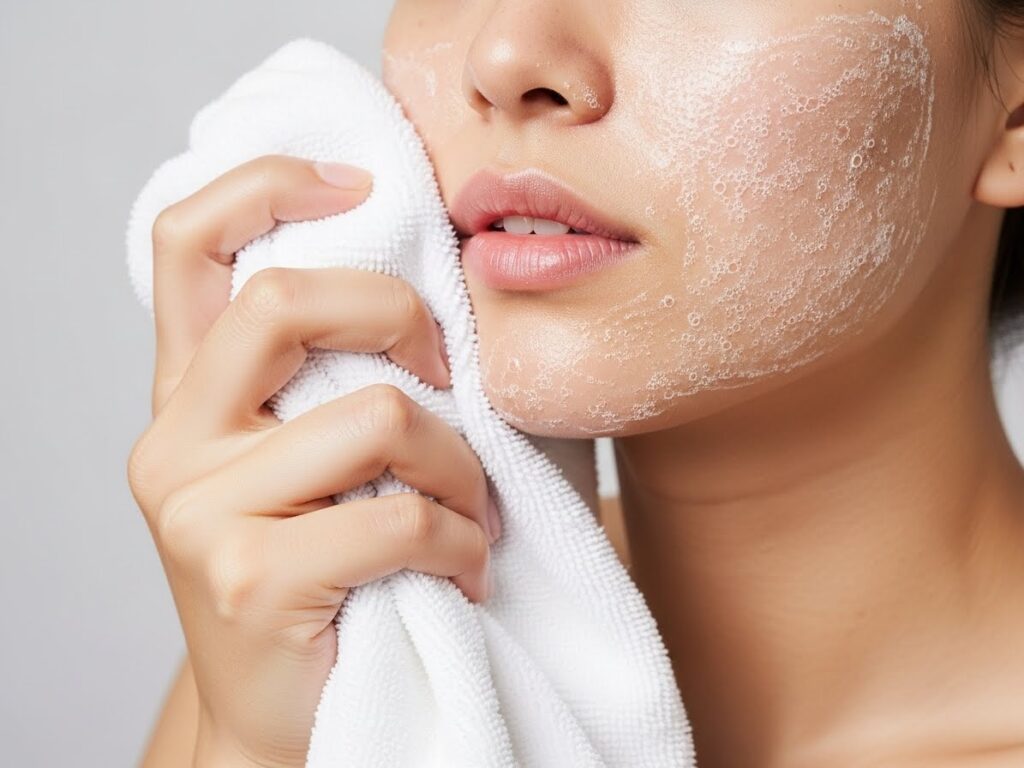
Yes. Gentle cleansing with a fragrance-free, non-foaming cleanser is actually recommended from day one to keep the treated area clean and remove any bacteria from the skin surface. Use cool or lukewarm water, not hot. Pat dry rather than rubbing. Avoid cleansing brushes, sonic devices or anything with physical exfoliation for at least one week.
When can I wear makeup after laser treatment on my face?
For standard laser treatments like DiolazeXL laser hair removal or IPL photofacials at Glow Med Clinic, most clients can return to mineral, fragrance-free makeup from 48 to 72 hours. If the treatment was more intensive, wait five to seven days. When you do reintroduce makeup, use the lightest, most minimal formulas you have and avoid anything with fragrance, alcohol or heavy coverage for the first week.
Can I use my normal moisturiser after laser treatment?
Only if it is fragrance-free and free of active ingredients. Check the ingredient list for retinol, AHAs, BHAs, vitamin C, fragrance and alcohol. If any of these are present, switch to a plain ceramide or squalane-based moisturiser for the first seven to ten days. Simple, gentle and hydrating is the goal. Your regular routine can be gradually reintroduced from day seven onward.
What happens if I accidentally use the wrong product after laser?
It depends on the product and your skin’s response. A single use of a mild product like vitamin C on day two is unlikely to cause lasting damage. It may cause temporary increased redness or stinging. Rinse the area with cool water, apply your plain moisturiser and monitor the skin. If the reaction is significant, such as persistent burning or visible irritation, contact your provider. If you accidentally expose the area to significant sun without protection, apply SPF immediately and contact your provider so they can advise on whether any intervention is appropriate.
Post-Laser Care Guidance at Glow Med Clinic Aurora
Every laser treatment at Glow Med Clinic in Aurora is followed by a personalised aftercare conversation. We do not hand you a leaflet and send you on your way. Our nurse team walks you through exactly what applies to your specific treatment, your skin type and your lifestyle before you leave the clinic.
If you had a treatment at another clinic and are looking for aftercare guidance, or if you are considering laser hair removal in Aurora or a Lumecca IPL photofacial in Aurora and want to understand the aftercare before you commit, we are happy to discuss this at a consultation.
Book a laser consultation at Glow Med Clinic and get the full picture before your treatment rather than searching for it afterwards.
We are at 114-35 Sunday Drive, Aurora, Ontario. Accessible from Richmond Hill, Vaughan and Newmarket.
Call (905) 713-0980 or email info@glowmedclinic.com