Can You Use Hyaluronic Acid After Pico Laser Treatment?
The short answer is yes. Hyaluronic acid is not only safe after pico laser treatment, it is one of the most beneficial ingredients you can use during your recovery. It helps rehydrate skin that the laser has temporarily dried out, supports the healing process and keeps the treated area comfortable while it recovers.
But pico laser is a specific kind of treatment with its own recovery characteristics, and the aftercare is not identical to what you would follow after other laser procedures. Getting the timing and product choices right matters, particularly because pico laser is often used to treat pigmentation and acne scars, where post-treatment care directly affects whether your results are as clear and even as you hoped.
This guide covers exactly how to use hyaluronic acid after pico laser treatment, based on the aftercare protocols we follow at Glow Med Clinic in Aurora, Ontario.
What Makes Pico Laser Different
Understanding what pico laser actually does helps explain why the aftercare matters so much.
Pico laser, short for picosecond laser, uses ultra-short pulses of energy measured in trillionths of a second. This is what sets it apart from older laser technology. Instead of relying on heat to break down its target, pico laser uses a photomechanical effect, essentially shattering pigment particles or stimulating the skin with minimal thermal damage to the surrounding tissue.
This is why pico laser is the treatment of choice for concerns like pigmentation, melasma, sun spots, acne scars, uneven skin tone and even tattoo removal. It targets what needs to be treated while causing less collateral heat damage than heat-based lasers, which means less downtime for you.
But less downtime does not mean no aftercare. The skin still enters a healing phase after pico laser. The barrier is still temporarily compromised. And because pico laser is frequently used to treat pigmentation, the post-treatment period carries a specific risk that makes aftercare especially important: the risk of post-inflammatory hyperpigmentation, which we will come back to.
Why Hyaluronic Acid Is Ideal After Pico Laser
After your pico laser session, your skin is in a heightened state of activity. It is processing the pigment that has been broken down, repairing the micro-level disruption caused by the treatment and working to restore its normal barrier function. During this window, hydration is one of the most valuable forms of support you can give it.
Hyaluronic acid is a naturally occurring molecule in your skin that can hold up to 1,000 times its own weight in water. When applied topically after pico laser, it does several specific things.
It replenishes the moisture that the treatment has temporarily depleted, counteracting the dryness and tightness that clients commonly feel in the days after pico laser. It creates a light, breathable hydrating layer that supports the healing process without clogging or suffocating the skin. It contains no active ingredients that would irritate sensitised post-laser skin, unlike acids, retinoids or vitamin C. And it supports the environment your skin needs to heal cleanly and evenly.
That last point matters more with pico laser than with many other treatments. When skin heals in a well-hydrated, calm state, the risk of uneven pigmentation developing during recovery is lower. For a treatment specifically designed to improve pigmentation, that is exactly what you want.
When Can You Start Using Hyaluronic Acid After Pico Laser?
Timing is the part clients most often get wrong, usually by being either too cautious or too eager.
In most cases, you can begin applying a gentle, fragrance-free hyaluronic acid serum 24 hours after your pico laser treatment, once the immediate redness and warmth have settled. Pico laser generally causes less intense surface disruption than ablative or fractional lasers, so the recovery window for introducing hydration is relatively short.
That said, the exact timing depends on the intensity of your specific treatment. A light pico rejuvenation session has a shorter recovery than a more intensive session targeting deep pigmentation or acne scarring. Your provider will give you a specific timeline based on what was treated and how your skin responded.
The general rule: if your skin still feels hot, raw or actively inflamed, it is too early. Once it feels calm, mildly dry and simply sensitive, that is the right window to introduce hyaluronic acid.
For the first 24 hours, keep your routine to the absolute basics: a gentle fragrance-free cleanser, a plain moisturiser and mineral SPF if you are going outside. Introduce hyaluronic acid from day two, once the acute phase has settled.
How to Apply Hyaluronic Acid After Pico Laser
The way you apply hyaluronic acid affects how well it works, particularly on healing skin.
Start with clean hands and a freshly cleansed face using a gentle, fragrance-free cleanser and lukewarm water. Pat the skin dry gently, leaving it slightly damp rather than completely dry. This is important. Hyaluronic acid is a humectant, meaning it draws moisture from wherever it can find it. Applied to damp skin, it draws from the water on the surface. Applied to bone-dry skin in a dry environment, it can actually pull moisture from deeper in the skin, which is the opposite of what you want during recovery.
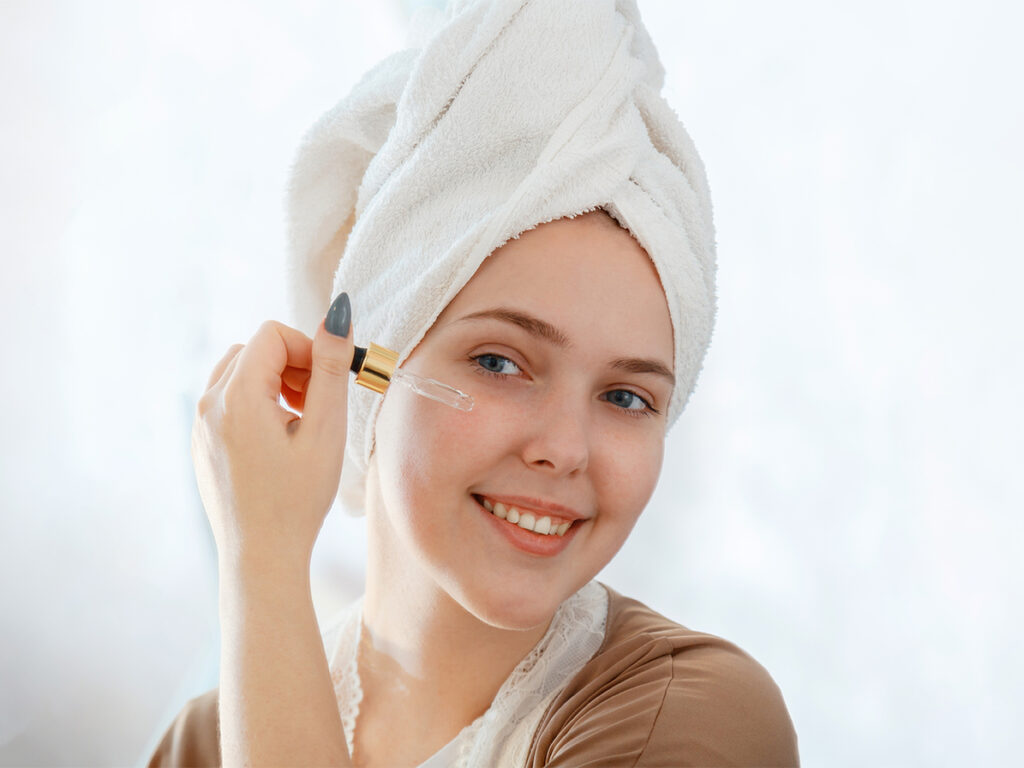
Apply a few drops of the serum and press it gently into the skin using upward motions rather than rubbing. Follow with a plain, calming moisturiser to seal the hydration in. In the morning, always finish with a broad-spectrum mineral sunscreen of SPF 50.
Do this morning and evening throughout your recovery period. Simple, consistent hydration is what post-pico skin responds to best.
The One Thing That Matters Most After Pico Laser: Sun Protection
If you take one thing from this guide, let it be this.
Pico laser is very often used to treat pigmentation, melasma and sun damage. These are conditions driven by melanin activity in the skin. After pico laser treatment, the melanocytes, the cells that produce melanin, are in a sensitised state. If they are exposed to UV radiation during this vulnerable window, they can respond by producing pigment in an uncontrolled way. The result is post-inflammatory hyperpigmentation, new dark marks that can form in the treated area.
This is the single biggest risk to your pico laser results, and it is almost entirely preventable. The treatment you had to reduce pigmentation can actually create new pigmentation if the skin is exposed to sun during recovery.
This risk is particularly significant for clients with deeper skin tones, Fitzpatrick types III to VI, which includes many South Asian, Middle Eastern, East Asian and other clients across the York Region community. Pico laser is frequently chosen for these skin tones precisely because it is gentler on pigment-rich skin, but the sun protection requirement afterward is non-negotiable.
Apply mineral SPF 50 every single morning, reapply through the day if you are outdoors, wear a hat, and minimise direct sun exposure entirely for the first two weeks. This protects both your skin and the pigmentation results you paid for.
What to Avoid After Pico Laser Treatment
Hyaluronic acid is safe. These ingredients are not, at least not in the first several days.
Retinoids and retinol. These accelerate cell turnover aggressively. On healing post-pico skin, they cause irritation and can worsen the risk of pigmentation changes. Avoid for at least five to seven days.
Exfoliating acids: AHAs and BHAs including glycolic, lactic and salicylic acid. These chemically exfoliate skin that is already in a delicate recovery state. On pigmentation-prone skin healing from pico laser, this can trigger uneven tone. Avoid for at least seven days.
Vitamin C in ascorbic acid form. Highly acidic and potentially irritating on sensitised skin. Wait three to five days minimum before reintroducing, or use a gentler derivative.
Physical scrubs and exfoliating tools. No scrubbing, no cleansing brushes, no textured cloths. The broken-down pigment is being processed by your skin naturally. Let it happen without physical interference.
Fragranced products. Any fragrance, synthetic or from essential oils, is a potential irritant on the compromised post-pico barrier. Fragrance-free for the first week.
Heat. Hot showers, saunas, steam rooms and intense exercise all increase inflammation in healing skin and should be avoided for 48 to 72 hours.
For a broader breakdown of post-laser skincare across all laser types, our guide on can you use hyaluronic acid after laser treatment covers the general principles in more detail.
What Pico Laser Recovery Actually Looks Like
Knowing what to expect helps you avoid panicking over normal healing or missing something that needs attention.
In the first 24 hours, expect redness and a sensation similar to mild sunburn in the treated area. This is normal and settles within a day for most clients.
Over the next few days, depending on what was treated, you may notice the treated pigmentation appearing to darken before it fades. This is expected. When pico laser breaks down pigment, the shattered particles can temporarily appear darker or form fine dark flakes at the surface before the body clears them. This is a sign the treatment is working, not a problem. Do not pick or scrub at these areas. Let them shed naturally.
Mild dryness and flaking during the first week is normal. This is where consistent hyaluronic acid and moisturiser make the biggest difference to your comfort.
Contact your provider if you experience increasing redness or swelling beyond 72 hours rather than improvement, any blistering or open areas, signs of infection, or any unusual darkening that concerns you. Early attention is always better than waiting.
Frequently Asked Questions
How soon after pico laser can I use hyaluronic acid?
In most cases, you can apply a gentle, fragrance-free hyaluronic acid serum 24 hours after your pico laser treatment, once the initial redness has settled. For the first 24 hours, keep to just a gentle cleanser, plain moisturiser and SPF. From day two, hyaluronic acid is safe and genuinely beneficial. If your treatment was particularly intensive, your provider at Glow Med Clinic may advise waiting slightly longer.
Why does my pigmentation look darker after pico laser?
This is completely normal and a sign the treatment is working. When pico laser breaks down pigment, the shattered particles can temporarily appear darker or form fine dark flakes at the skin surface before your body clears them away over the following days. Do not pick or exfoliate these areas. Keep the skin hydrated and protected from the sun, and allow the pigment to shed naturally.
Can I use hyaluronic acid after pico laser for tattoo removal?
Yes. The same principles apply. Once the initial redness and any blistering has settled, hyaluronic acid supports the healing of the treated area. Tattoo removal with pico laser can cause more surface disruption than pigmentation treatment, so follow your provider’s specific timeline, which may be slightly longer than 24 hours. Keep the area clean, hydrated and protected from sun throughout recovery.
What is the most important thing to avoid after pico laser treatment?
Sun exposure. Pico laser is frequently used to treat pigmentation, and post-treatment skin is highly vulnerable to developing new pigmentation if exposed to UV. Apply mineral SPF 50 every morning, avoid direct sun for two weeks, and be especially diligent if you have a deeper skin tone. This single step protects both your skin and your results more than anything else.
Is hyaluronic acid enough for pico laser aftercare or do I need more?
Hyaluronic acid, paired with a gentle cleanser, a plain moisturiser and mineral SPF, is the core of good pico laser aftercare for most clients. Some may benefit from additional soothing ingredients like centella asiatica or aloe vera in the first few days. At Glow Med Clinic in Aurora, we provide a personalised aftercare plan after every treatment so you know exactly what your specific skin needs.
Personalised Pico Laser Aftercare at Glow Med Clinic
Every pico laser treatment is different, and the right aftercare depends on what was treated, how intensively, and how your individual skin responds. The guidance in this post is a solid framework, but it is not a substitute for advice tailored to your specific treatment and skin type.
At Glow Med Clinic in Aurora, every client leaves with a personalised aftercare plan, not a generic leaflet. Our nurse team walks you through exactly what to use, what to avoid and what to watch for based on your treatment and your skin.
If you are exploring treatments for pigmentation, sun damage or uneven skin tone, our Lumecca IPL photofacial in Aurora is another effective option we would be happy to discuss alongside pico laser to help you choose the right approach.
Book a consultation at Glow Med Clinic and get a clear plan for your skin.
We are at 114-35 Sunday Drive, Aurora, Ontario, accessible from Richmond Hill, Vaughan and Newmarket.
Call (905) 713-0980 or email info@glowmedclinic.com